Why Dogs Love Cozy Pajamas and How to Choose the Perfect Pair
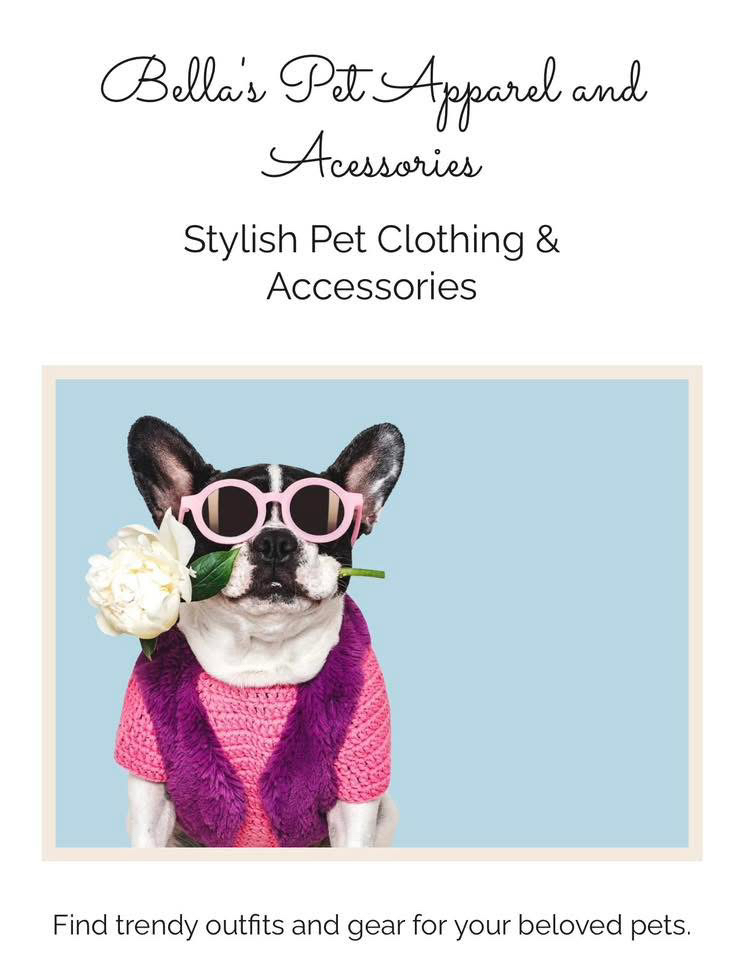
Some dogs treat pajamas like a warm hug. The moment the little sleeves come out, they wiggle closer, lift a paw, and settle into their bedtime routine as if they have been waiting all day for the dress code to change.
It is funny, yes. A dachshund in striped jammies will improve almost any evening. But cozy pajamas can do more than make a dog look impossibly cute. For many pups, the right pair offers warmth, comfort, gentle body awareness, and a clear signal that it is time to relax.
Not every dog needs pajamas, and not every dog likes wearing clothes. Still, for short-haired breeds, senior dogs, anxious pups, small dogs, and chilly homes, pajamas can become a sweet part of daily care.

Dogs love comfort for the same reasons people do
A good pair of dog pajamas feels soft, warm, and familiar. That matters more than it may seem.
Dogs notice texture. A scratchy seam, tight leg hole, or stiff fabric can make them freeze, scratch, or chew at the garment. By contrast, soft cotton blends, fleece, or stretchy jersey can feel pleasant against the body, especially when the fit allows easy movement.
Think of the way many dogs choose the same blanket over and over. They nudge it into a nest, circle three times, then collapse with a happy sigh. Pajamas can create a similar feeling, but the comfort travels with them from the sofa to the crate to the dog bed.
Some dogs enjoy pajamas because they add a layer between their skin and the cool air. Others like the snug feeling, as long as it is not restrictive. For dogs who already enjoy burrowing under blankets, a cozy outfit may feel like a portable den.
A few signs your dog finds pajamas comfortable include:
They relax their body after you put them on.
They move normally, without high-stepping or freezing.
They curl up or lie down soon after dressing.
They do not bite, scratch, or paw at the fabric.
They come toward you when the pajamas appear.
That last one is the giveaway. If a dog trots over for pajama time, tail wagging and shoulders loose, the pajamas may have become part of the good stuff, like treats, cuddles, and bedtime.
Warmth is a big reason pajamas work so well
Not all dogs are built for cold floors, drafty rooms, or winter walks to the backyard. Some breeds have thick double coats that handle cool weather easily. Others have short, fine hair and very little natural insulation.
Pajamas can help dogs stay comfortable indoors when temperatures dip, especially overnight. This can be helpful for:
Short-haired breeds such as Greyhounds, Boxers, Boston Terriers, Chihuahuas, and Pit Bulls
Small dogs who lose body heat faster than large dogs
Senior dogs who may be more sensitive to cold
Puppies who are still adjusting to temperature changes
Recently groomed dogs with a shorter-than-usual coat
Warmth can also matter after bath time. A fully dry dog may still feel chilly in an air-conditioned home or during colder months. Soft pajamas can help keep them cozy while they settle down, as long as their coat is dry and the fabric stays breathable.
The key is balance. Pajamas should warm your dog, not trap too much heat. Watch for signs of overheating, such as heavy panting indoors, restlessness, drooling, or trying to remove the garment. If your dog feels hot to the touch or keeps moving away from blankets, take the pajamas off.
A simple rule works well: if the room feels chilly to you and your dog has a light coat, pajamas may help. If the room is warm and your dog has a thick coat, they probably do not need the extra layer.

Pajamas can help create calm routines
Dogs are routine experts. They learn the sound of the treat bag, the jingle of a leash, and the exact time dinner should happen, according to their deeply serious internal clocks.
Pajamas can become another cue.
When worn at the same time each evening, pajamas may signal that playtime is winding down and rest is coming. The routine might look like this:
Final potty break
Pajamas on
Small bedtime treat
Lights dim
Dog curls up in bed or crate
Over time, that pattern can help some dogs shift from alert to relaxed. The pajamas are not magic. They work best as part of a calm, predictable rhythm.
For anxious dogs, the gentle contact of fabric may also feel reassuring. Some dogs relax when they feel light pressure around the body, similar to how they might lean against a person or settle under a blanket. Research around pressure wraps and anxiety suggests some dogs may benefit from that kind of sensation, though results vary by dog.
Pajamas are usually not a replacement for anxiety training, veterinary care, or behavior support. If a dog has severe separation anxiety, storm fear, panic, or compulsive behavior, a veterinarian or qualified trainer can help build a real plan. But for mild nerves, bedtime restlessness, or that “I cannot possibly settle because someone might open the cheese drawer” energy, cozy pajamas may support relaxation.
Dog owners often describe the same pattern in different homes. A young terrier bounces around all evening until the pajamas go on, then climbs into a blanket pile like a tiny retired athlete. A senior Chihuahua stops pacing once dressed and tucked beside their favorite person. A long-legged Greyhound, who once shivered at every draft, finally stretches out instead of curling into a tight donut.
These little stories are part of the charm. Pajamas turn into a shared ritual. The dog gets comfort. The human gets a nightly dose of cuteness. Everyone wins except the squirrel outside, who remains under surveillance.
The best pajamas fit the dog, not just the size chart
Choosing pajamas starts with measurements, not guesses. Dog clothing sizes vary a lot between brands, and breed labels can be misleading. One “medium” French Bulldog may have a broad chest and short back, while another dog in the same weight range may be long and narrow.
Measure your dog while they are standing. Use a soft measuring tape and keep it snug, not tight.
Measurement | How to measure it | Why it matters |
Neck | Around the base of the neck where a collar sits | Prevents rubbing and tightness |
Chest | Around the widest part of the rib cage | The most important fit point |
Back length | From the base of the neck to the base of the tail | Helps avoid pajamas that bunch or pull |
Leg length | From shoulder or hip to where the cuff should sit | Keeps dogs from tripping |
If your dog is between sizes, chest measurement usually matters most. Pajamas that are too tight across the chest can restrict movement, while pajamas that are too loose may twist or catch a paw.
Look for these fit features:
Stretchy fabric Helps your dog walk, stretch, curl up, and flop dramatically.
Soft seams Reduces rubbing around the armpits, belly, and neck.
Open potty area Essential for comfort and cleanliness.
Easy closures Snaps, zippers, or pullover designs should suit your dog’s patience level.
Non-restrictive cuffs Cuffs should stay in place without squeezing the legs.
After dressing your dog, watch them move. A happy pajama fit lets them walk, sit, lie down, stretch, and shake naturally. If they waddle like a confused penguin, the fit needs work.
Different breeds need different pajama details
Breed and body shape make a big difference. The perfect pair for a slender Whippet may not work for a stocky Bulldog or a fluffy Pomeranian.
Small dogs often need warmth without bulk
Tiny breeds can get chilly fast, especially in colder states and during winter nights. Chihuahuas, toy breeds, and small terriers often do well in soft, lightweight fleece or cotton pajamas.
Avoid bulky fabrics that overwhelm their movement. Small dogs already have short legs, so thick cuffs or too-long sleeves can become annoying.
A common owner story goes something like this: a tiny dog refuses to leave a heated blanket all evening, then suddenly becomes brave enough to patrol the hallway once the pajamas go on. The confidence may be half warmth, half attitude.
Long-bodied dogs need extra length
Dachshunds, Corgis, and some mixed breeds can be tricky to fit. Their backs are long, but their legs may be short. Standard sizes may fit the chest but leave the back uncovered, or fit the back and swamp the legs.
Look for pajamas designed for long-bodied breeds, or choose styles with shorter sleeves. Stretchy fabric helps prevent pulling along the spine.
And yes, dachshunds in pajamas often look like tiny sausages dressed for a sleepover. This is one of the harmless joys of dog life.
Broad-chested dogs need room to move
French Bulldogs, Pugs, Bulldogs, Boxers, and Pit Bull-type dogs may need extra space through the chest and shoulders. A pajama top that pulls across the front can make walking uncomfortable.
Choose designs with stretch, raglan-style sleeves, or a wider chest cut. If your dog has a short snout, pay extra attention to temperature. These dogs can be more prone to overheating, so lightweight fabric is often better than thick fleece.
Lean, short-haired dogs often love full coverage
Greyhounds, Whippets, and Italian Greyhounds are famous for enjoying warmth. Many have thin coats, low body fat, and a talent for looking personally offended by cold weather.
These dogs often benefit from pajamas with longer legs and a covered chest. The fabric should be soft and flexible, since their limbs are long and their bodies are narrow.
One classic pajama-time image is a Greyhound folded on a couch, fully dressed, nose tucked under a blanket, looking like a royal houseguest who has accepted the accommodations.
Fluffy dogs may not need pajamas at all
Huskies, Newfoundlands, Bernese Mountain Dogs, and many double-coated breeds usually have plenty of natural insulation. Pajamas may make them too warm indoors.
That does not mean no fluffy dog will ever enjoy pajamas. Some wear light shirts for medical reasons, skin protection, or post-grooming comfort. But warmth should not be the goal unless a veterinarian recommends it.
For thick-coated dogs, choose breathable, lightweight fabric and use pajamas for short periods, if at all.

Safety matters more than cuteness
It is tempting to choose the silliest print and call it done. Dinosaurs? Tiny moons? Holiday cookies? All excellent. But safety comes first.
Skip pajamas with small buttons, loose bows, dangling charms, or anything your dog might chew off and swallow. Avoid tight elastic around the neck, belly, or legs. Make sure your dog can use the bathroom without soiling the fabric.
Never leave a dog in pajamas for long periods until you know they are comfortable and safe. The first few sessions should be supervised. Let your dog wear them for a short stretch, offer a treat, and check for rubbing after you take them off.
Also, keep pajamas clean. Dogs nap, shed, roll, snack, and occasionally make questionable life choices. Wash pajamas often with a pet-safe, unscented detergent if your dog has sensitive skin. Keep a second pair on hand if pajama time becomes part of the nightly routine.
Good pajamas should not change how your dog moves. If your dog seems stiff, irritated, itchy, or unusually quiet, take the outfit off and try a different size or fabric.
How to introduce pajamas to a skeptical dog
Some dogs accept pajamas like they ordered them online. Others act as though sleeves are a betrayal.
Go slowly. Let your dog sniff the pajamas first. Place them near a favorite bed or blanket. Pair the sight of them with treats and praise. Then try a short dressing session when your dog is calm, not when they are already excited or tired.
A gentle introduction might look like this:
Let your dog sniff the pajamas.
Touch the pajamas to their shoulder, then reward.
Put one paw through, then reward.
Dress them fully for just a minute or two.
Remove the pajamas before they get annoyed.
Build up time over several evenings.
Keep your tone relaxed. Laughing is allowed, because dogs in pajamas are funny, but avoid turning it into a big, noisy event if your dog is unsure.
If your dog freezes, hides, growls, or repeatedly tries to remove the pajamas, respect the answer. Some dogs simply prefer life in their original outfit.
Pajama time can become a sweet little tradition
The best part of dog pajamas may be the ritual around them.
Dog owners often talk about pajama time like a family event. One dog brings the pajamas from the laundry basket. Another stands frozen with one paw lifted, waiting for help. Some race to the bedroom because pajamas mean bedtime snacks. Others parade through the house, collecting compliments from every available human.
There is always that one dog who becomes oddly proud after getting dressed. They stand taller. They wag harder. They look around as if to say, “Yes, I am cozy. Please admire the sleeves.”
These moments matter because dogs thrive on connection. Pajamas are not just fabric. They can be part of a routine filled with touch, praise, warmth, and calm attention. For a dog, that combination is hard to beat.

The perfect pair is the one your dog enjoys wearing
Cozy pajamas can help dogs feel warm, settled, and ready for rest. They can support a calming bedtime routine, give short-haired pups an extra layer, and make chilly evenings more comfortable. They also happen to be extremely adorable, which is not the main point, but it is not nothing.
Choose pajamas based on your dog’s body, coat, comfort level, and movement. Measure carefully, start with soft fabric, avoid fussy details, and watch your dog’s reaction.
If the tail stays loose, the body relaxes, and your pup drifts off in a tiny pajama-covered heap, you found the right pair. And if they decide pajamas are not for them, that is fine too. A warm blanket and a good cuddle are still classic bedtime style.


Comments